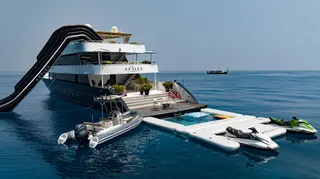
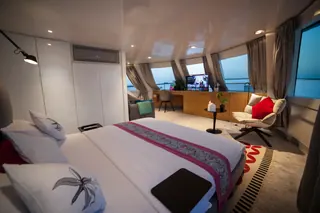
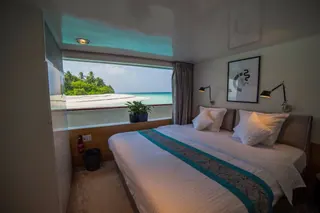
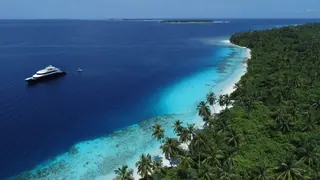
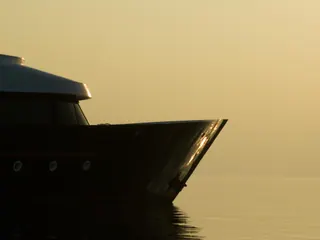
Azalea yacht anchored near a Maldivian reef at dawn
Articles

5 min read

Maldives Yacht Charter Permits and Regulations: What Guests Need to Know

The Maldives has a clear regulatory framework for private yacht charters. Most of it is handled by the operator, but guests benefit from understanding the main rules before they arrive.

The Maldives operates a well-established regulatory system for private yacht charters. As a guest rather than the vessel owner or operator, most of the compliance burden sits with the charter company — but understanding the framework helps guests plan responsibly and know what to expect when entering protected areas or visiting inhabited islands.

Arrival and customs

All international arrivals to the Maldives clear customs and immigration at Velana International Airport. Yacht charter guests clear on arrival like any other tourist — through the standard immigration queue with a valid passport. No special yacht or charter visa is required for most nationalities.

The vessel itself is separately registered with Maldives Customs as a foreign yacht or a locally licensed charter vessel. Azalea operates under a Maldives charter licence, which covers the vessel's legal operation in Maldivian territorial waters. Guests do not need to manage any vessel documentation.

  • Guests clear customs at Velana International — standard tourist immigration.
  • No yacht-specific visa required for most nationalities.
  • Vessel documentation and charter licensing is handled by Azalea.
  • Confirm your nationality's visa requirements before departure — most eligible for on-arrival.

Marine protected areas and dive site rules

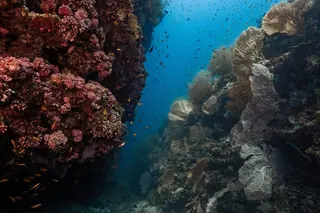
The Maldives has over 40 designated marine protected areas (MPAs), including many of the country's most celebrated dive sites. Protected areas prohibit anchoring on reef, collecting marine specimens, spearfishing and any physical contact with coral or marine life.

Azalea anchors on sand rather than reef wherever possible and deploys reef-safe anchor systems at protected sites. The Dhoni attaches to permitted mooring buoys at protected thilas such as Fish Head. Guests are briefed on entry requirements and behaviour before arriving at each protected site.

  • No anchoring on reef — sand anchoring or mooring buoys only.
  • No collection of coral, shells or marine specimens.
  • No spearfishing anywhere in Maldivian waters.
  • No touching or riding of marine life — mantas, whale sharks, turtles, rays.
  • No littering or releasing any pollutants at sea.

Baa Biosphere Reserve and Hanifaru Bay

Baa Atoll is a UNESCO Biosphere Reserve with specific permit requirements for vessel entry. Entry into Hanifaru Bay requires a permit coordinated through the Baa Atoll Resort, and the bay is managed by a ranger who controls entry timing and vessel numbers. Scuba diving inside Hanifaru Bay is prohibited — snorkelling only.

The biosphere reserve covers the full atoll, not just Hanifaru Bay. Anchoring, fishing and other activities within the reserve are subject to additional restrictions beyond the standard MPA rules. Azalea coordinates all permit requirements in advance for Baa Atoll charters.

Alcohol regulations

The Maldives is a Muslim majority nation. The sale and consumption of alcohol is prohibited on inhabited islands, with the exception of resort islands and vessels licensed for tourism purposes. Azalea is licensed to carry and serve alcohol to guests aboard the vessel.

Guests should not attempt to bring alcohol onto inhabited islands or to consume it in public on land. This applies even to small uninhabited sandbanks that may be adjacent to inhabited areas. When in doubt, keep alcohol consumption to the yacht.

  • Alcohol is legal aboard licensed charter vessels like Azalea.
  • No alcohol on inhabited islands — this includes local island visits.
  • No alcohol visible in public, including on sandbanks near inhabited islands.

Fishing regulations

Recreational fishing from private yachts is permitted in designated areas. Spearfishing is prohibited throughout Maldivian waters. Feeding fish is also discouraged near protected coral systems as it alters natural behaviour patterns.

Night squid fishing from the yacht's stern is a popular activity in open water — this is generally permitted and the crew can assist with lines and light setup. Guests interested in fishing should confirm the planned route with the captain, as some areas near MPAs have additional restrictions.

Common questions

Planning details

No special documentation is required for charter guests beyond a valid passport and any required visa. The vessel documentation is held by Azalea. Guests may be asked to present their passport for inspection at certain ports of call.

Yes. Personal prescription medications are permitted. Certain controlled substances require documentation — check the Maldives Customs guidelines if you carry medications in this category.

Drone operations in the Maldives require a permit from the Civil Aviation Authority of the Maldives (CAM). Flying without a permit is illegal. The charter team can advise on the permit process for guests who wish to bring a drone.

Accidental contact is not a criminal offence, but deliberate collection, breaking or walking on reef carries penalties. The crew briefs all guests before entering protected areas and the Dhoni is positioned to minimise risk of accidental contact.

Private proposal

Ask the Azalea team about regulations for your planned route

Each atoll has specific permit requirements. Share your preferred route and the team will explain exactly what applies to your charter.

Ready to start planning your Maldives charter?