Green sea turtle grazing in a seagrass meadow in a Maldives lagoon
Azalea JournalRead 3 min readUpdated 22 October 2026

The Meadows Beneath the Maldives' Lagoons

Beneath the Maldives' turquoise lagoons, quiet seagrass meadows shelter young fish, feed green turtles and help keep the marine ecosystem healthy.

Start reading
Back to Journal
Book Your Voyage

The answer

The Meadows Beneath the Maldives' Lagoons

Read
3 min read
Updated
22 October 2026
Request proposal

From a jetty, a patch of dark green in a turquoise lagoon might look like a shadow. Underwater, it is something entirely different: long leaves lifting with the current, tiny fish weaving between them and, perhaps, a green turtle grazing quietly on the seabed.

These are the seagrass meadows of the Maldives. They rarely attract the attention given to coral reefs, yet they are among the country's most useful marine habitats. And they reward travellers willing to look twice at what lies beneath the water.

The finest journeys begin long before the anchor is raised.

Azalea Journal

Why Azalea

Built for private Maldives charters

Complete Privacy

Your yacht is your private sanctuary, with space to relax and reconnect away from resort schedules.

Unrivalled Access

Reach remote islands, hidden lagoons and marine-rich atolls that resort-based travel simply can't.

Bespoke Experiences

Tailored itineraries, personal service and unforgettable moments built around your group.

Luxury Redefined

Five-star comfort, exquisite cuisine and an exceptional crew, at sea.

01

Not Seaweed, but an Underwater Meadow

Seagrass is not seaweed. It is a group of flowering plants adapted to life in saltwater, with roots, leaves and the ability to grow across sandy seabeds. Because these plants need light, meadows often form in relatively shallow lagoon waters. Seen from above, they can create dark patches against pale sand; underwater, their leaves shelter a surprisingly busy community. Maldives government environmental records identify seagrass habitats around islands including Gaadhoo in Laamu Atoll. These ecosystems are not limited to one resort or region.

02

Why Fish Begin Their Lives Here

A young fish has a problem: the open seabed offers little protection from predators. Dense seagrass leaves create places to hide, feed and grow. The meadows support small invertebrates and juvenile fish, including species associated with nearby coral reefs and fisheries. That connection matters. A lagoon and reef are not separate environments operating independently; marine animals may depend on different habitats at different stages of life. Research documented in Laamu Atoll demonstrates the importance of seagrass as nursery habitat. Protecting a meadow can therefore help protect the wider marine food web, including fish that visitors might later see on a reef.

03

A Dining Ground for Green Turtles

Green sea turtles are among the most recognisable visitors to seagrass habitats. Unlike hawksbill turtles, which forage primarily on animals such as sponges, adult green turtles feed largely on marine plants and algae. The Maldives' official Red List identifies seagrass meadows as important feeding habitat for green turtles. That makes a quiet patch of lagoon an essential part of the turtle's world. A grazing turtle may stay focused on its meal while a respectful observer watches from a distance. There is no need to approach, touch or follow it. Wildlife encounters are most rewarding when the animal can carry on undisturbed.

04

The Lagoon's Hidden Climate Work

Seagrass also helps hold seabed sediment in place. Its roots and underground stems bind material, while the leaves can slow water movement close to the bottom. The plants take up carbon as they grow, and carbon can remain stored in the sediments beneath healthy meadows. This contribution is often described as blue carbon. The Maldives' environmental authorities recognise seagrass as a carbon-storing ecosystem. That does not mean every square metre has the same carbon value or that planting seagrass is a simple substitute for reducing emissions. What it does mean is that a healthy lagoon can be environmentally valuable even when it looks less pristine than bare white sand.

05

Gaadhoo: A Real Example of Protection

In Laamu Atoll, the protected biodiversity area around Gaadhoo includes seagrass along the island's reef and shoreline. The government's protected-area description records six types of seagrass and 91 reef-fish species in the surrounding seagrass habitat. It also identifies the meadow as food for turtles, nursery habitat for fish and a carbon sink. Gaadhoo illustrates why these habitats matter. The meadow is part of a connected system of beaches, reef, wildlife and coastal vegetation. The designation should not be mistaken for an invitation to enter protected waters freely. The site has its own rules, and the official listing does not advertise a general visitor activity there.

06

Seeing More on a Maldives Yacht Charter

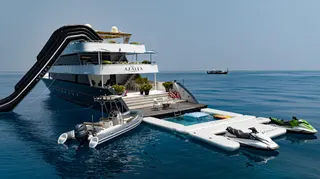
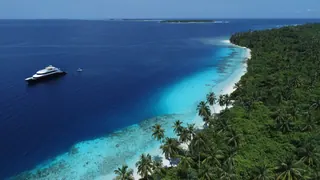
On an Azalea voyage, marine discovery need not be limited to dramatic reef walls or large animals. Guests who enjoy nature can ask the crew and dive team about suitable opportunities to observe the lagoon's smaller ecosystems, including seagrass where conditions and access permit. Azalea can be chartered for routes throughout the Maldives. Its dedicated dive dhoni and PADI dive facilities support planned marine activities, while the captain considers safe navigation and the preferences of the group. A seagrass meadow is not an attraction to enter without thought. Anchoring, swimming and other activities should follow applicable rules and avoid damaging sensitive habitat.

07

The Life Between the Reefs

The Maldives is celebrated for clear water and colourful coral. The darker green patches between them deserve attention too. A seagrass meadow may be quieter than a reef, but it is no less alive. Sometimes the most interesting discovery begins when you stop looking for the postcard view.

Beyond the resort

Explore More. Experience More.

From vibrant coral reefs and manta encounters to private beach dinners under the stars — every day is different.

Explore experiences

Explore with Azalea

Ready to experience the Maldives aboard Azalea?

Share your dates, group details and interests directly with our charter team.

Enquire About a Private CharterOr continue below to explore the Maldives guide.

Maldives Experience Atlas

Discover the Maldives your way

Choose what interests you, explore matching places, and save the ones you want to remember.

Choose your interestsSelect one or several
37 matching places

Explore

37 places to discover

Swipe or scroll

Meet Azalea

Your Private Floating Sanctuary

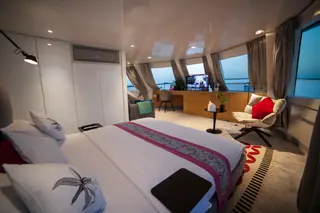
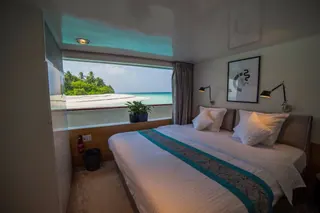
Azalea is a 41-metre luxury yacht designed for intimate voyages, offering space, elegance and comfort in every detail.

41mLength
9Cabins
18Guests
10Crew
Explore Azalea

Best time to go

When to visit the Maldives

Dec – Apr

Dry Season

The Northeast Monsoon brings calmer seas, lower rainfall and the clearest underwater visibility of the year.

May – Nov

Green Season

The Southwest Monsoon brings short showers, lush island greenery, fewer crowds and better value for longer charters.

Mid-Dec – Feb

Peak Season

Festive-period and February travel bring the highest demand for cabins, so these dates are the first to book out each year.

May – Nov

Manta Season

Plankton blooms draw manta rays and whale sharks to Baa and Ari Atoll, making this the strongest window for marine-life encounters.

Behind the lens

Moments from the ocean

Planning tips

Plan Your Perfect Voyage

A little planning goes a long way in ensuring an extraordinary experience. Here are our top tips for your charter.

Read our tips

Pick a route around what matters most to your group — diving, sandbanks, family comfort or a quiet private escape — and let the crew shape the days around it.

From manta encounters to sunset sandbank dinners, tell the team what you're hoping to see and do so it can be built into the route.

Light, breathable layers, reef-safe sunscreen and swimwear cover most days — the crew can advise on anything specific to your route.

Transfers, permits, dining preferences and daily timing are handled onboard, so the only decision left is what to do next.

Common questions

Planning details

No. Seagrass is a flowering marine plant with roots and leaves. Seaweeds are algae.

It provides food and shelter for marine life, supports young fish, helps stabilise sediment and stores carbon.

Green turtles feed in these habitats, but an encounter with any wild animal is never guaranteed.

Guests can discuss appropriate nature-focused snorkelling or diving with the team. Opportunities depend on conditions, access rules and the suitability of the location.

Private proposal

Ask about nature-focused experiences with Azalea

Share your interest in the Maldives' lagoon ecosystems, and the crew and dive team can discuss suitable opportunities to observe seagrass and marine life, subject to conditions and access rules.

Ready to start planning your Maldives charter?