01
Flying to the Maldives
Getting here is rarely the difficult part. Direct services run from most major hubs, and the real question is less which airline than which arrival time. Europe is around ten hours direct, though a Gulf connection often lands better. From the Gulf it is a four-hour hop. Asia routes through Colombo, Singapore, Kuala Lumpur or Bangkok without fuss. From North America, expect a connection or two and a long day. Plan around the clock rather than the distance. Onward transfers are simpler in daylight, and an early afternoon arrival makes for a far better first evening than a midnight one.
02
Immigration and Your Visa on Arrival
Maldives Immigration grants the visa on arrival. There is nothing to apply for beforehand, but there are four things they will want to see. A machine-readable passport with at least a month's validity. A complete itinerary including confirmed return tickets. A prepaid booking at a registered facility. And sufficient funds for the stay. Separately, the Traveller Declaration is completed online within the 96 hours before you fly, which takes a few minutes and saves several at the desk. Two things about that passport rule are worth knowing. A month is what the Maldives asks for, but plenty of airlines apply their own six-month rule as a boarding condition, so the place you are most likely to run into trouble is the check-in desk at home rather than immigration in Male. Worth confirming with your carrier if your passport is running short. And if your passport's validity has been manually extended rather than the document being reissued, that is not accepted for entry. One line in that list catches charter guests out. The registered facility is your accommodation, and yours floats. Azalea provides the confirmation you will need, and it is worth having it open on your phone rather than assuming a yacht booking explains itself at passport control. Beyond that, arrival here is unusually civilised. Small terminal, short queues, and a building that empties quickly because almost nobody is staying in Male.
03
What Maldives Customs Will Take Off You
Two restrictions catch visitors out with some regularity, and both are worth knowing before you pack. Tourists cannot import alcohol. The prohibition sits in the Import Prohibition Act of 1975, and Maldives Customs is explicit about the practical consequence, advising travellers not to buy liquor in duty free en route because it will be confiscated on arrival. What happens next is that it is bonded at the airport and released back to you only when you depart. Licensed vessels serve drinks perfectly normally once you are aboard, so you are not going without. Vapes and e-cigarettes are banned outright. The prohibition covers import, possession and use, it applies to visitors as much as residents, and devices are taken at the border. Tobacco is allowed for tourists aged 18 and over, at either 200 cigarettes, 25 cigars or 250 grams of tobacco products. Those are alternatives rather than a combined allowance.
04
Landing Is Not Arriving
Worth saying plainly, because it catches people every season. Velana sits in North Male Atoll. The reefs, the sandbanks, the water everyone came for, all of it requires a second journey by seaplane, domestic flight or boat. Seaplanes fly in daylight only and run to their own timetable rather than yours, which is how a late arrival becomes a night in a transit hotel.
05
Getting From the Airport to the Yacht
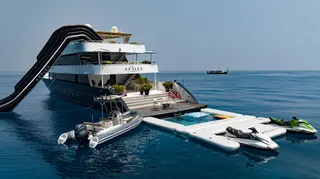
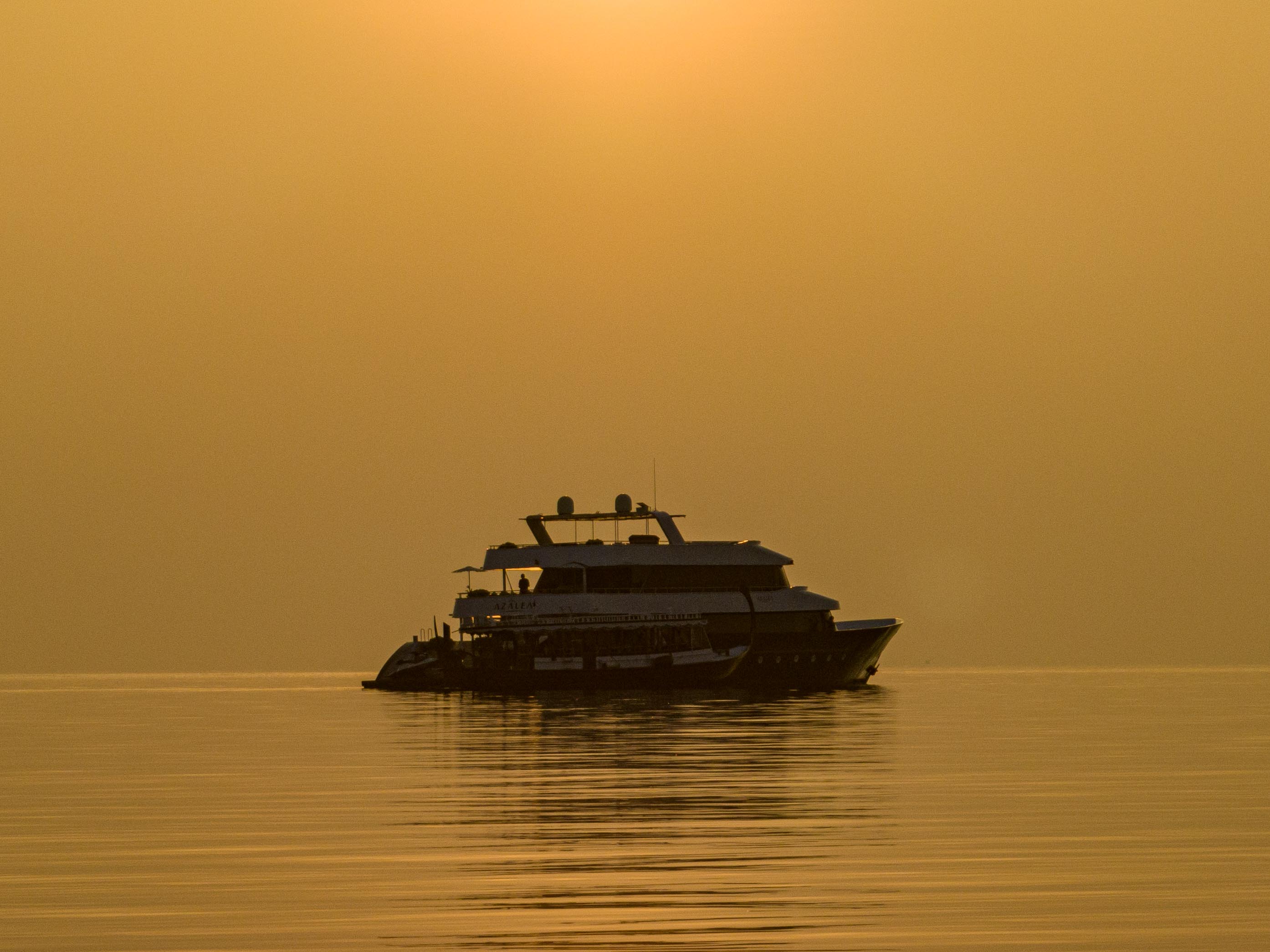
Azalea's staff meet you at the airport and take you across by private boat, a short run whose length depends only on where the yacht is anchored. No shared seaplane terminal. No scheduled departure to wait on with forty strangers and their luggage. No daylight cut-off deciding when you are allowed to move. You go when you land, which means the trip starts at the arrivals hall rather than an hour or two later. If you are landing late, travelling with small children, or simply not in the mood to negotiate a transfer lounge after ten hours in the air, that gap is wider than it reads.
06
Departure Day
Simpler than arriving, with one thing worth building in. Leave buffer on the final day. The return transfer depends on where the yacht is sitting, so the last anchorage gets chosen with the airport in mind rather than the sunset. A small piece of planning that decides whether the last morning is a slow breakfast or a scramble.
-480.webp)