01
1. Begin with the World Nomad Games in Kyrgyzstan
The VI World Nomad Games are scheduled for 31 August to 6 September 2026. The official programme places the opening in Bishkek and the closing on Lake Issyk-Kul, connecting the capital with the mountain-ringed lake that has long been a meeting point for cultures and journeys across Central Asia. For athletes, delegations, cultural performers, sponsors, media teams and accompanying families, the week offers more than competition. It is a chance to experience equestrian traditions, national sports, craftsmanship, music and hospitality in a landscape where travel itself feels part of the story. Building time around both Bishkek and Issyk-Kul allows visitors to appreciate that wider setting before considering what comes next.
02
2. Carry the journey from mountains to atolls
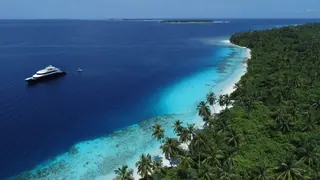
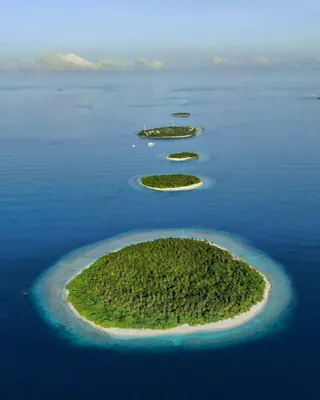
Kyrgyzstan and the Maldives could hardly look more different. Issyk-Kul sits beneath the Tian Shan, framed by ridgelines, grasslands and a vast inland horizon. The Maldives unfolds at sea level as a chain of coral atolls, reef passes, sandbanks and blue channels. Yet both places invite travellers to slow down, move through the landscape and pay attention to living traditions. That contrast gives a two-part journey its appeal. The Games provide energy, ceremony and shared cultural experience; a private yacht offers space to decompress afterwards. Instead of treating the Maldives as a quick stop at one resort, guests can continue the spirit of movement by cruising between islands and anchorages, waking to a different horizon as the route progresses.
03
3. Plan the Maldives as a separate onward chapter
A Maldives extension should be planned independently from the Games. Azalea Cruise is not an organiser, sponsor or official partner of the World Nomad Games, and it does not provide a direct transport service between Kyrgyzstan and the Maldives. Guests arrange their own international journey and immigration requirements, then coordinate their Maldives arrival with the charter team. In practical terms, travellers can build a buffer after the closing ceremony, return from the Issyk-Kul region to their chosen international departure airport, and book suitable onward flights to Malé. Flight availability, transit points and baggage rules vary, especially for sporting or media equipment, so the air itinerary should be confirmed separately before finalising embarkation dates.
04
4. Make a private yacht your base in the Maldives
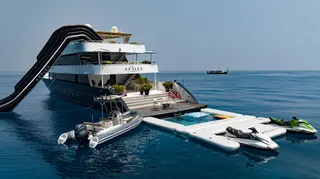
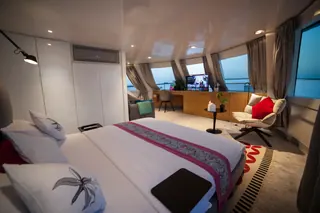
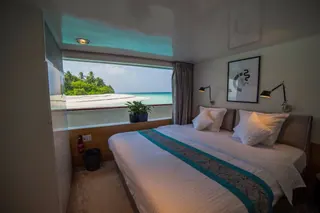
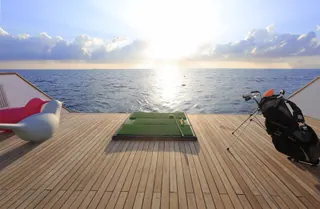
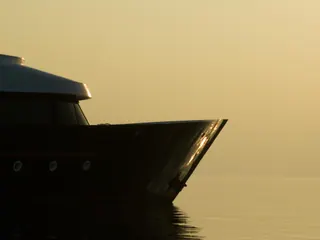
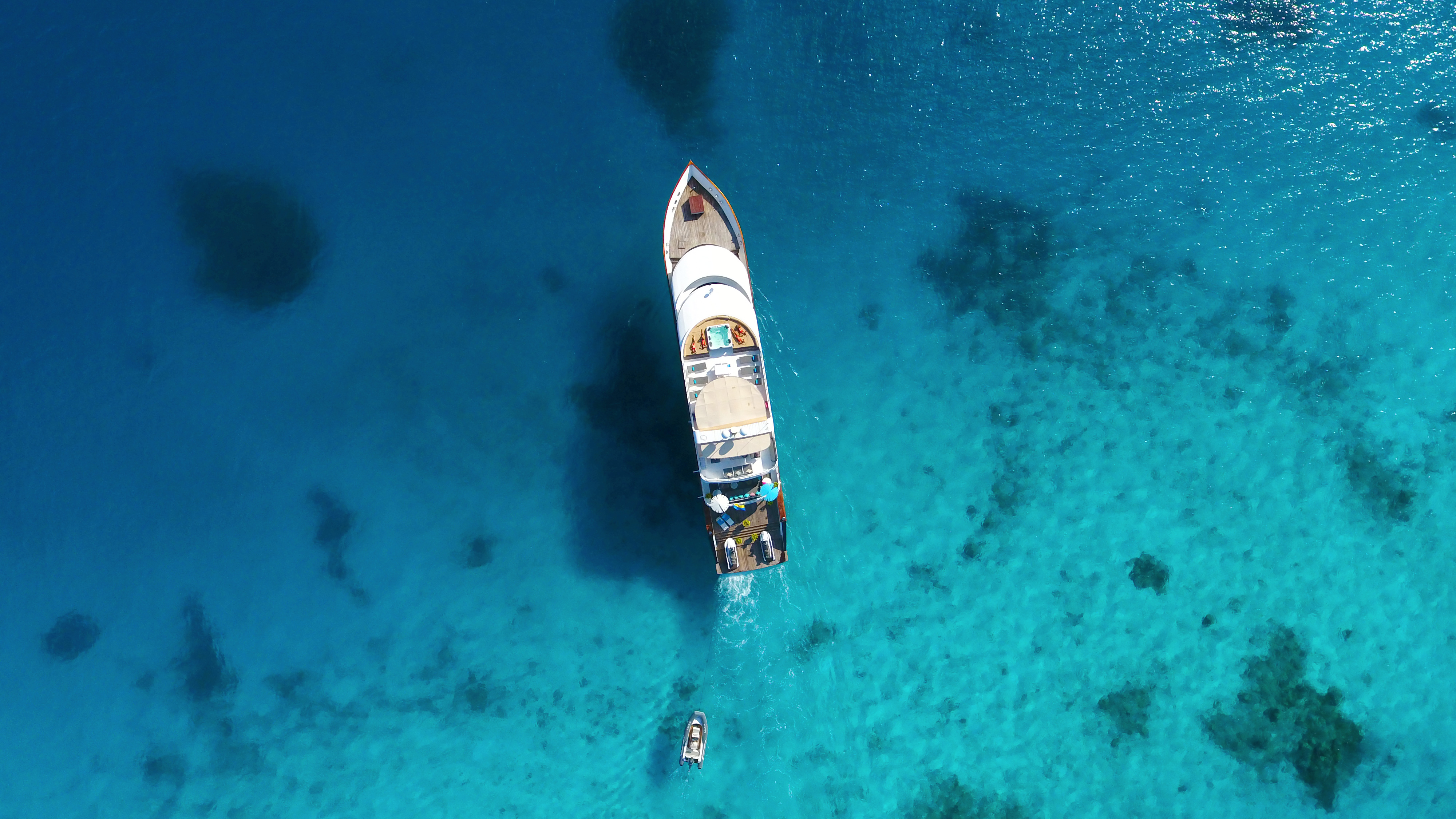
Azalea is designed as a moving private base rather than a fixed hotel. The yacht accommodates up to 18 guests in nine en-suite cabins, supported by a professional crew and a separate Dhoni for reef access, diving and shore visits. The group can dine together, gather on deck or retreat to private cabins without dividing across several properties. A charter route is shaped around dates, weather, sea conditions and guest priorities. One day might centre on a quiet lagoon and sandbank lunch; another could include snorkelling, diving, a local-island visit or an unhurried afternoon aboard. The advantage is not rushing to cover distance, but having the vessel, crew and daily rhythm work around the group.
05
5. Give delegations and teams room to reconnect
For a delegation or team, the period after a major event can be as valuable as the event itself. A private charter creates a contained setting for informal review, celebration and recovery, with fewer public transitions than a multi-hotel itinerary. Shared meals and open-deck time allow conversations to continue naturally while the crew handles the daily cruising plan. Cabin allocation, dietary requirements, recovery time and preferred activity levels can be discussed before arrival. Some guests may want active water days while others prefer reading, photography or quiet time on deck. A mixed programme lets the group remain together without requiring every person to follow the same pace.
06
6. Shape the charter for families, sponsors and private groups
The same format can suit families accompanying competitors, sponsor groups marking a shared milestone, cultural organisations extending their travel, or friends who want to turn a long-haul trip into a broader experience. Exclusive use keeps the guest list private and makes it easier to coordinate meals, celebrations and daily plans across generations. The best fit depends on group size and expectations. Families may prioritise sheltered snorkelling, beach time and flexible meal hours. Sponsor or leadership groups may value private gathering areas and polished hosted dinners. Friends may prefer a balance of diving, water sports and relaxed evenings. Sharing these priorities early helps the crew propose an achievable route rather than a crowded checklist.
07
7. Change the pace with reefs, water and open space
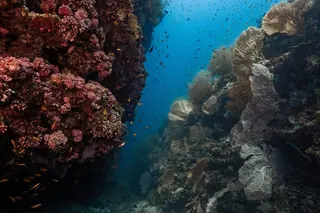
After days of ceremonies, competition and travel, the Maldives can offer a deliberate change of tempo. Warm water and easy access from the Dhoni make snorkelling approachable for beginners, while qualified divers can discuss sites suited to their experience and the season. Non-divers can enjoy sandbanks, paddle time, swimming, island visits or simply the view from the yacht. Marine encounters are always shaped by nature rather than guaranteed. Weather, currents, visibility and wildlife movement guide the captain and dive team, so flexibility matters. That responsive approach is part of a yacht journey: the plan follows the best safe opportunities available instead of forcing every day into a fixed programme.
08
8. Turn two destinations into one considered journey
Start by confirming the Games programme, Kyrgyzstan accommodation and transfers. Then define the Maldives charter window, guest count, cabin needs, activity interests and any equipment travelling with the group. Allow sensible time between the closing at Issyk-Kul and embarkation in the Maldives, and keep international flights, insurance, visas and transit arrangements under the group's own travel planning. What connects Issyk-Kul and the Maldives is not an official route or partnership, but a traveller's choice to continue. One chapter celebrates nomadic sport and culture beneath the mountains; the next moves across coral atolls with a private crew. Planned with enough time and clear expectations, the contrast can make both experiences more memorable.
-480.webp)