01
Breakfast Begins With Mas Huni
One of the country's best-loved breakfasts is mas huni, a mixture traditionally made with tuna, grated coconut, onion, chilli and lime. It is commonly served with roshi, a thin Maldivian flatbread. The pleasure lies in the contrast. The coconut softens the flavour of the fish, lime adds brightness, and the roshi brings everything together. There is no need for elaborate presentation. A plate of mas huni with hot tea is already a complete introduction to local breakfast culture. Visitors who only encounter international resort breakfasts may miss this everyday favourite.
02
A Bowl of Garudhiya Tells Another Story
Few dishes demonstrate the importance of tuna in the Maldives as clearly as garudhiya. This traditional fish broth is often enjoyed with rice, lime and chilli. Other accompaniments may include fish, vegetables or local starches, depending on the household and occasion. It is nourishing, direct and deeply connected to the islands' fishing traditions. Not every Maldivian dish needs to be heavily spiced. Sometimes the flavour comes from carefully prepared fish, a simple broth and the ingredients added at the table. For travellers curious about Maldivian cuisine, garudhiya is worth trying precisely because it is so different from the elaborate seafood platters usually associated with a holiday.
03
Afternoon Tea Is Not Just About Tea
Across the Maldives, afternoon tea is often accompanied by hedhikaa, a broad collection of savoury and sweet snacks. A visitor might encounter bajiyaa, small savoury pastries; kulhi boakibaa, a spicy fish cake; or other snacks made using fish, coconut, flour and spices. The selection differs between islands, cafés and families. These foods are part of everyday social life. People gather, talk, share plates and take time out of the day. Trying hedhikaa at a local café can reveal as much about island culture as a formal meal. The experience is not simply about tasting something unfamiliar. It is about seeing how food brings people together.
04
The Maldives Also Has a Sweet Side
Traditional Maldivian desserts are not limited to the international pastries found on resort buffets. Bondibai is associated with celebrations and special occasions, with variations using ingredients such as rice or breadfruit. Coconut-based sweets and preparations using screw pine also appear in different islands' food traditions. Visit Maldives documents regional specialities including Addu Bondi, a coconut sweet, and desserts made with kashikeyo, the aromatic screw-pine fruit. These are reminders that Maldivian cooking draws on more than the sea. Island agriculture, local ingredients and family recipes contribute their own identity.
05
Why Different Islands Taste Different
The Maldives stretches across a long chain of atolls. Communities share many familiar ingredients, but individual islands and regions have developed distinctive food traditions. A dish prepared in Addu may not be identical to something with a similar name in the north. Recipes also change from one household to another. This makes local food a particularly interesting reason to explore beyond one resort island. Rather than looking for a definitive version of every dish, try to understand what makes it important to the people who prepare it. A conversation with a local cook can be more memorable than a complicated tasting menu.
06
Bringing Local Flavours Into a Yacht Holiday
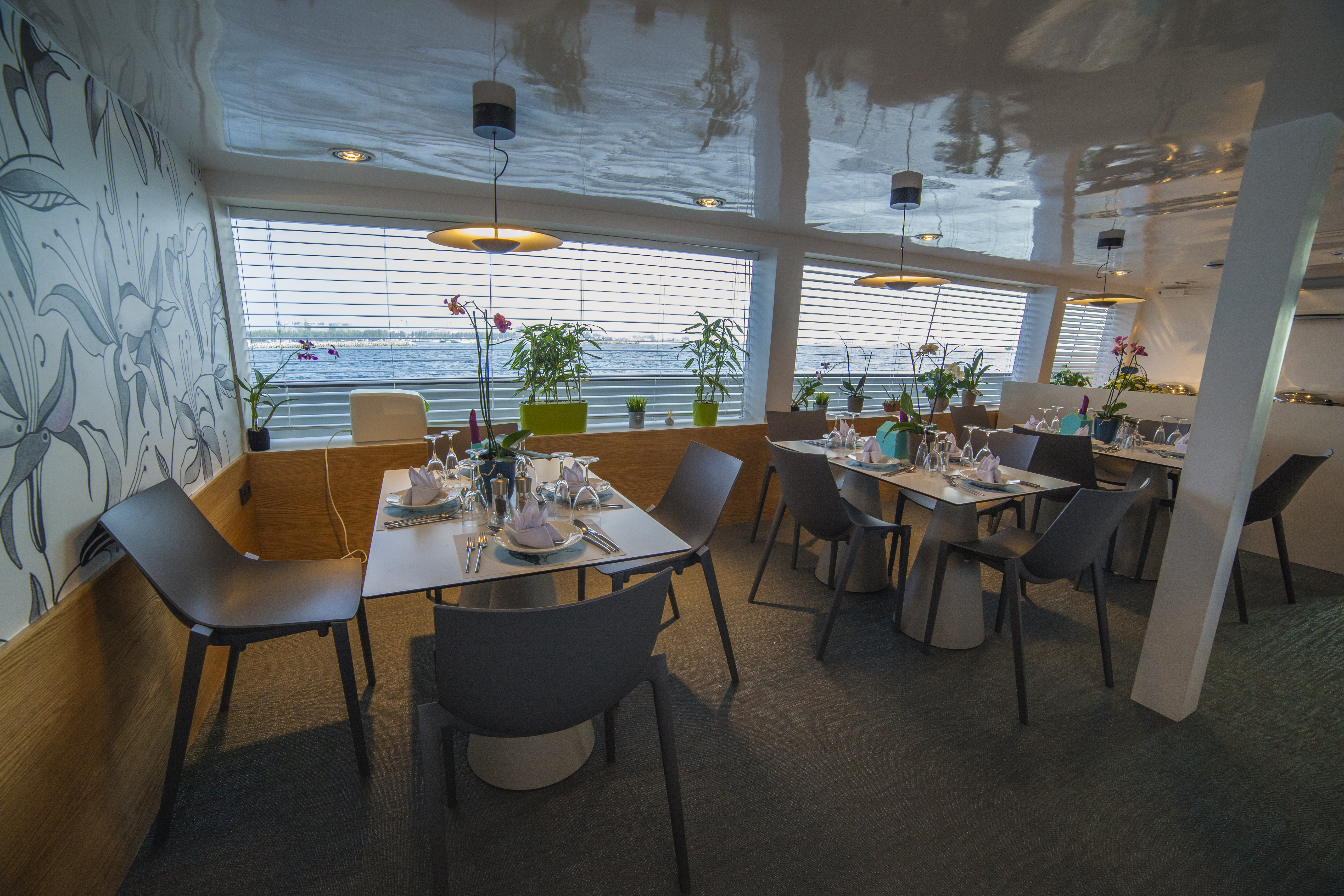
A private chef can make dining a meaningful part of a Maldives yacht charter. Aboard Azalea, guests may discuss their food preferences and express an interest in discovering Maldivian dishes alongside international cuisine. A relaxed breakfast with traditional flavours or a meal inspired by the islands can bring the destination closer to the table. For guests following a wider route through the country, local-island visits may also introduce regional snacks and food traditions, where appropriate arrangements are available. The aim is not to turn every meal into a cultural lesson. It is to give guests the opportunity to taste something that belongs to the place they are visiting.