01
A Boat Designed Around the Islands
The Maldives consists of many small islands separated by lagoons, channels and stretches of open water. Travelling between them has always required a practical understanding of the sea. Over centuries, Maldivian boatbuilders refined vessels suited to the conditions and purposes of local journeys. Visit Maldives describes the traditional dhoni as a distinctively Maldivian craft whose design developed through generations of experience. Rather than emerging from one architect's drawing, the design reflects accumulated knowledge about materials, construction and navigation. That relationship between people and their environment is what makes the dhoni culturally significant.
02
What Does a Traditional Dhoni Look Like?
Older Maldivian dhonis are often remembered for their graceful, curved prow and characteristic wooden construction. Traditional boats were once propelled by sails, with their forms adapted to the practical demands of island travel. Modern examples have evolved considerably. Many use engines, and construction materials and techniques have changed with advances in boatbuilding. Nevertheless, the familiar shape of the dhoni remains an important reference in Maldivian maritime design. The vessel is more than an attractive silhouette. Its proportions and layout reflect its original purpose as a working boat.
03
The Skill of the Boatbuilder
Visit Maldives describes Maldivians as accomplished boatbuilders whose knowledge has developed over centuries. Traditional construction required experienced craftsmen who understood timber, hull shape and the way a vessel would behave at sea. The work demanded both precision and practical judgement. Boatbuilding was closely linked to the needs of fishing communities and inter-island transport. Although modern tools and imported materials have transformed the industry, the underlying knowledge remains part of the country's cultural history. A finished dhoni represents more than a useful vessel. It reflects the skill of the people who built it.
04
The Dhoni and Maldivian Fishing
Fishing has long been fundamental to life in the Maldives. Traditional fishing boats allowed communities to travel to fishing grounds and return with catches that supported island households. Tuna in particular became central to Maldivian food culture and commerce. Visit Maldives continues to highlight pole-and-line fishing as a distinctive Maldivian fishing tradition. Boats, fishing methods and local knowledge developed together. Understanding the dhoni therefore helps explain much more than maritime transport. It also provides insight into the food, occupations and daily routines that shaped island communities.
05
From Working Boat to Visitor Experience
Today, dhonis continue to appear in different forms across the Maldives. Some are used for fishing, while others provide transport or support marine activities. Visitors may also encounter traditional-style sailing experiences or excursions arranged aboard suitable dhonis. These can offer a connection to maritime heritage that differs from travelling on a modern speedboat. However, not all vessels described as dhonis are historically constructed sailing boats. Design, propulsion and facilities vary. Travellers interested in an authentic traditional experience should ask about the particular boat and the purpose of the excursion.
06
Why Boatbuilding Heritage Matters
When people discuss cultural heritage, they often think first of buildings, monuments or museums. Practical skills deserve attention too. The knowledge required to build a seaworthy boat reflects generations of observation and experience. Those skills are part of the relationship between Maldivians and the ocean. Preserving an understanding of traditional boatbuilding helps explain why the sea has always been more than a scenic backdrop to island life. It has influenced the way people work, travel and understand their surroundings.
07
The Dhoni's Place in a Modern Yacht Journey
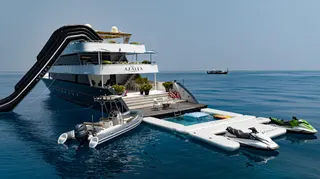
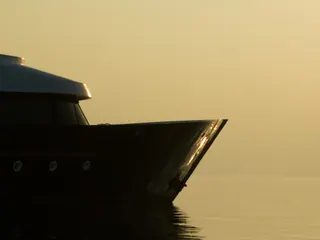
Even modern private yachting in the Maldives continues to rely on specialised support vessels. Azalea, for example, has a dedicated dive dhoni used in its marine operations. That vessel serves a contemporary purpose, but its name also reflects the enduring place of the dhoni in the country's maritime identity. Guests interested in the Maldives beyond the familiar resort experience can explore the relationship between traditional boats, island culture and modern marine tourism.
08
A Maritime Tradition That Endures
The Maldives is often described through the beauty of its surrounding ocean. The dhoni tells the story of the people who learned to live with that ocean, cross it and depend on it. Long before private yacht holidays became part of the destination, these boats were helping connect the islands and shaping a culture that remains distinctly Maldivian.