01
Understanding Different Dietary Requirements
Not all dietary requirements are the same. Some guests avoid particular ingredients because of personal preferences, religious practices or established eating habits. Others have medically diagnosed food allergies or intolerances. These distinctions are important. A preference for avoiding dairy is different from an allergy that may cause a serious reaction after exposure to milk proteins. Similarly, a guest requesting gluten-free meals may have different requirements depending on whether the reason is personal preference, gluten intolerance or coeliac disease. Providing accurate information helps the team understand the level of care required. Guests should never feel obliged to minimise an allergy to make arrangements appear easier.
02
Communicating Before Departure
The most important step is to inform Azalea of dietary requirements during the initial charter-planning process. Waiting until embarkation may limit the availability of suitable ingredients or make particular requests difficult to accommodate. Guests should identify relevant allergens, ingredients they must avoid and any other essential dietary considerations. For severe allergies, information about cross-contact risks and emergency requirements is particularly important. The reservations team can then review the request with the appropriate onboard personnel. If a particular requirement cannot be accommodated reliably, this should be clarified before the booking is finalised. Early communication allows everyone to make informed decisions.
03
Why Ingredient Planning Matters at Sea
A yacht operates differently from a large resort with multiple restaurants and extensive supply facilities. Ingredients and provisions are generally organised before departure, taking into account the expected itinerary and guest preferences. While additional supplies may sometimes be obtained during a voyage, availability can vary between islands and cruising areas. Specialist ingredients, particular brands and certified products may not be readily accessible everywhere. Guests who require specific foods should therefore communicate those needs well in advance. Packaging details, ingredient specifications or photographs of preferred products may be useful. The aim is to avoid relying on last-minute substitutions that may not meet an individual's requirements.
04
Understanding Cross-Contact Risks
For guests with food allergies, removing an ingredient from a finished dish may not be sufficient. Cross-contact can occur when allergens are unintentionally transferred through utensils, preparation surfaces, cooking equipment or shared ingredients. This is especially relevant in environments where several meals are prepared within a compact kitchen. Guests should communicate whether their restrictions require specific handling procedures. The galley team's ability to manage those requirements must be assessed individually. A private yacht does not automatically provide an allergen-free kitchen, and no arrangement should be described as completely risk-free. Clear discussion of limitations is essential for guests with serious allergies.
05
Working With the Onboard Chef
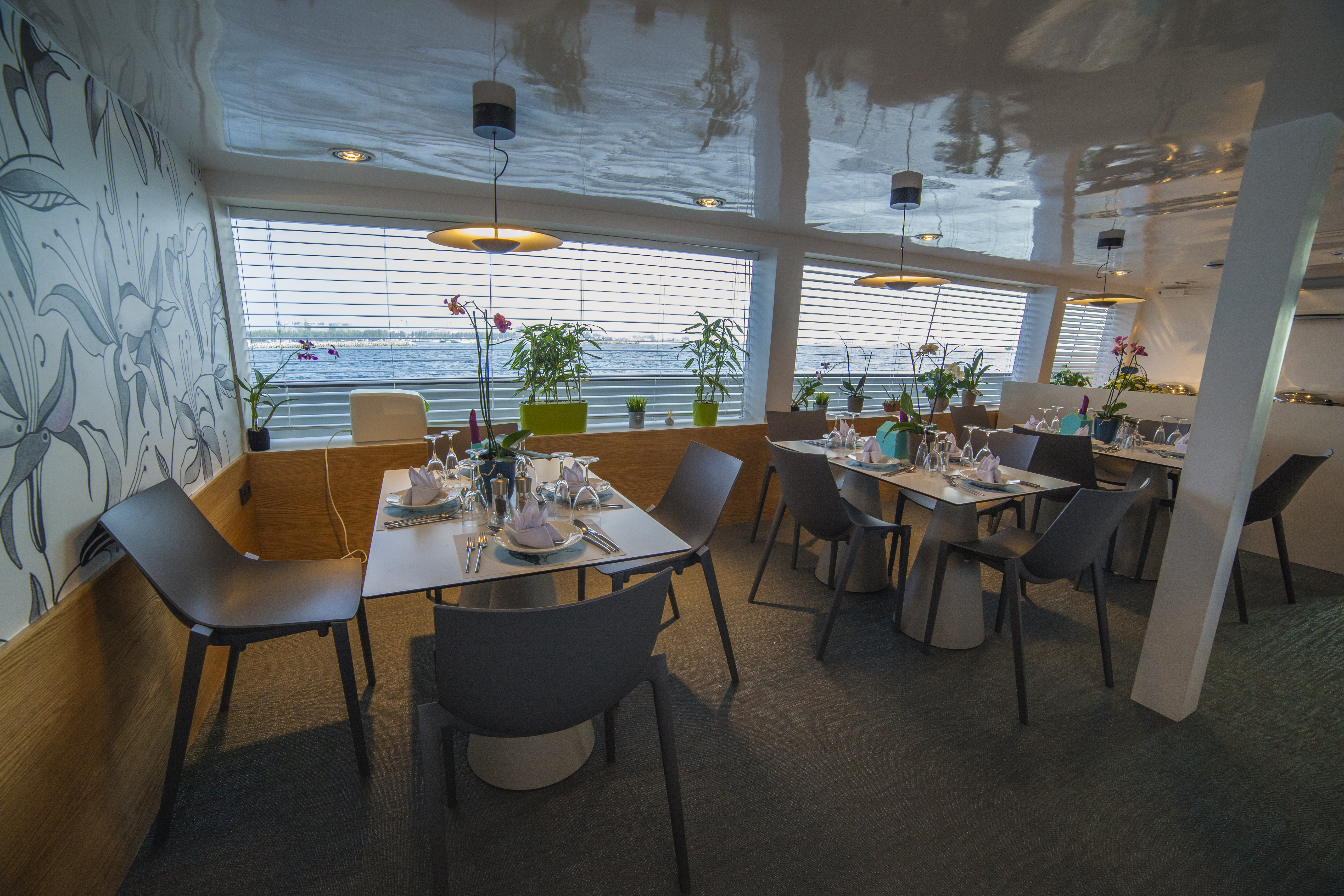
Azalea's onboard chef prepares meals for the chartering party, with dining preferences considered as part of the voyage. Guests may share favourite dishes, ingredients they enjoy and foods they prefer to avoid. For dietary restrictions, the conversation should be more detailed. The chef needs to understand which ingredients are prohibited, whether substitutions are acceptable and what preparation precautions are necessary. A written dietary summary can help communicate these details consistently. For groups travelling together, requirements should be recorded for each affected guest rather than described as a single family preference. The priority is clear, accurate information.
06
Travelling With Children Who Have Allergies
Parents travelling with children who have food allergies may have additional concerns about unfamiliar ingredients and shared meals. Before departure, they should communicate the child's specific allergens, any prescribed emergency medication and relevant medical guidance. Children may also be more comfortable with familiar foods and established routines. Parents can discuss these preferences during meal planning. However, medical needs must remain under the direction of the child's healthcare professional. Families should bring necessary prescribed medication, ensure it is appropriately stored and understand how emergency assistance would be accessed during the voyage. The crew should be informed of relevant emergency arrangements.
07
Considering Special Diets and Food Preferences
Some dietary requests do not involve allergies but still benefit from advance planning. Vegetarian, vegan, halal and other dietary preferences may require particular ingredients or preparation methods. Guests may also follow individual eating plans for personal reasons. The yacht's chef can review suitable menus according to the confirmed arrangements and available provisions. Where ingredient certifications or particular preparation standards matter, these should be specified rather than assumed. The objective is to understand each request accurately and confirm what can reasonably be provided.
08
A More Comfortable Dining Experience
Thoughtful dietary planning allows meals to remain an enjoyable part of the holiday. Rather than repeatedly explaining restrictions at every sitting, guests can discuss their needs before departure and confirm arrangements with the team. That preparation is especially valuable during a private voyage, when the group may be travelling away from major supply centres. Aboard Azalea, personalised dining begins with understanding guests' preferences and recognising the importance of any safety-related requirements. For travellers managing food allergies or special diets, confidence comes from clear communication, realistic assurances and arrangements agreed in advance.