01
A Different Perspective Beneath the Surface
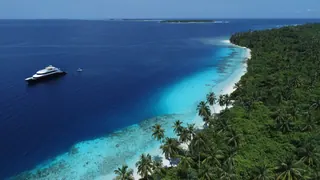
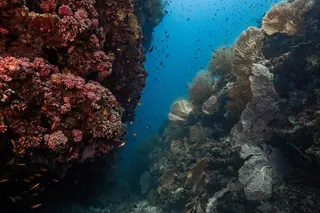
Underwater photography changes the way a diver experiences the ocean. Rather than concentrating only on the distance travelled or the animals encountered, photographers often begin noticing smaller details. The movement of a reef fish, the texture of coral or the contrast between a sandy seabed and deep blue water may become the subject of an image. These observations reward patience. An interesting photograph may emerge from spending time in one suitable area rather than covering an entire dive site. For photographers who enjoy studying marine environments, the Maldives offers opportunities to explore different subjects and compositions. The experience is most rewarding when photography remains secondary to diving safety and environmental responsibility.
02
Understanding Light and Colour Underwater
Water changes the appearance of colours and reduces the amount of available light. Red wavelengths are absorbed relatively quickly, while blue tones remain prominent at greater depths. As a result, underwater photographs may appear noticeably different from what a photographer expects above the surface. Natural light can produce beautiful images in suitable shallow conditions, particularly when visibility is favourable. At greater depths, specialist lighting may help restore colour and reveal detail. However, lighting must be used carefully around marine life. Photographers should follow applicable guidance, avoid disturbing animals and recognise when a subject is uncomfortable. The objective is to record the underwater environment without changing its natural behaviour.
03
Choosing Suitable Photography Conditions
Not every underwater location is suitable for every photographer. Visibility, current strength, depth and available light can differ considerably between reefs. A shallow location may offer opportunities for wide-angle images, while another site may interest photographers seeking small marine subjects. Divers should discuss their certification, experience and photographic goals with the dive team before entering the water. Underwater photography also requires the ability to maintain buoyancy while concentrating on equipment. For less experienced divers, developing reliable diving skills should take priority over capturing photographs. Conditions and safety assessments always determine whether a proposed location is appropriate.
04
The Advantage of Dedicated Diving Support
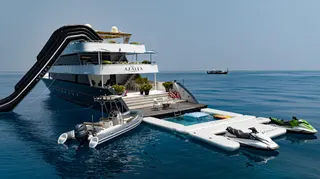
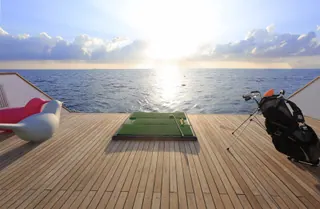
An underwater photography journey benefits from careful coordination between diving activities and life aboard. Azalea operates a PADI dive centre with a separate dive dhoni, allowing diving arrangements to be considered as part of a private yacht voyage. The yacht also provides a business centre and photo lab area that can serve as a useful workspace for reviewing photographs and managing equipment. Guests bringing specialist cameras should discuss their requirements in advance, including power connections, equipment storage and any additional practical needs. The availability of particular facilities or accessories should be confirmed before departure. Dedicated diving support can help coordinate activities, but it does not remove the need to follow established diving procedures.
05
Preparing Cameras for a Marine Environment
Saltwater, humidity and sand can damage sensitive photographic equipment. An underwater camera housing should be inspected carefully before use, with particular attention to seals, closures and manufacturer maintenance instructions. Photographers should ensure batteries are charged and memory cards have adequate capacity before leaving for a dive. Afterward, equipment should be rinsed and handled according to the manufacturer's recommendations. Dry storage and organised charging arrangements are particularly useful during longer journeys. Travellers bringing large camera systems, strobes or multiple housings should communicate their requirements before embarking. A little preparation can prevent equipment problems from interrupting valuable time underwater.
06
Respecting the Reef Behind the Photograph
No photograph is worth damaging a reef or disturbing marine life. Photographers should maintain appropriate buoyancy, avoid touching coral and resist the temptation to move animals for a better composition. Remaining aware of fins, camera equipment and surrounding divers is essential. A subject that moves away should be allowed to do so. Photographers should also avoid blocking other guests or remaining in hazardous positions while concentrating on an image. Responsible photography protects both the photographer and the environment. Some of the most compelling images emerge when animals are simply allowed to behave naturally.
07
Creating a Photographic Record of the Voyage
An underwater photography holiday can produce more than a collection of individual marine encounters. Images may document the changing light, reef structures, underwater landscapes and conditions encountered throughout the journey. Reviewing photographs between dives allows guests to identify successful techniques and consider different approaches. For some photographers, the process itself becomes an enjoyable part of the holiday. A private yacht provides opportunities to combine these interests with comfortable accommodation, dining and time spent relaxing between suitable activities. The result can be a journey that feels both exploratory and personal.
08
Seeing the Ocean Differently
Underwater photography encourages travellers to look more carefully at an environment that is often experienced only briefly. The Maldives provides an extraordinary setting, but successful photographs depend on patience, preparation and respect for marine life. Aboard Azalea, dedicated diving arrangements and onboard workspace offer practical support for guests interested in documenting the underwater world. The most memorable photograph may not be the rarest animal or the most dramatic scene. Sometimes it is the image that reveals something beautiful in an otherwise ordinary moment beneath the surface.