01
When Is the Maldives Surf Season?
Visit Maldives identifies a broad surfing season from approximately mid-February to November. It highlights March to May and September to late November as periods that can offer particularly favourable conditions, although actual surf varies between atolls and individual breaks. Seasonal guidance is useful for planning, but it should never be treated as a guaranteed forecast. Wave height, swell direction, wind and tide all matter. A location that looks inviting one morning may not suit the same surfer later that day. The right period depends partly on which atoll you want to explore and your level of experience.
02
North Malé: Where Many Surf Stories Begin
North Malé Atoll is one of the best-known surfing areas in the country. Its proximity to Velana International Airport makes it accessible, and a number of famous reef breaks sit along the eastern side of the atoll. Visit Maldives identifies Cokes at Thulusdhoo, Lhohis, Jailbreaks, Sultans, Honky's and Ninjas among the recognised surf locations. These are not interchangeable waves. Each has its own setting and conditions. For surfers who know Thulusdhoo, a particular break may already feel familiar. For newcomers, the names are a starting point for understanding the variety of the region. Access arrangements can also differ, particularly near resort-associated breaks.
03
Huvadhoo: A Different Southern Surf Journey
Farther south, Huvadhoo Atoll offers another collection of well-known surfing locations. Visit Maldives names breaks such as Beacons, Tiger Stripes, Blue Bowls, Five Islands and Love Charms. For experienced surfers, southern atolls can open a different kind of adventure. But geography matters. The Maldives extends far beyond the airport area, and a long-distance surf itinerary requires realistic planning. A guest should consider the time available, expected passages and the conditions at the proposed breaks rather than assume that every famous wave can be reached in one short trip. The farther-reaching holiday can be rewarding when the route is designed properly.
04
Not Every Wave Is for Every Surfer
Reef breaks require respect. A powerful wave breaking over shallow coral presents different risks from a gentle beach break. Surfing ability, familiarity with the conditions and appropriate safety support are essential. A visitor should not assume that a surf spot is beginner-friendly simply because it appears on a popular travel website. Local guidance is particularly valuable when considering unfamiliar breaks. Conditions also change. A sensible surf plan includes the freedom to choose another location or spend the day doing something else. There is no reason to force a session when the sea is unsuitable.
05
What Happens Between Surf Sessions?
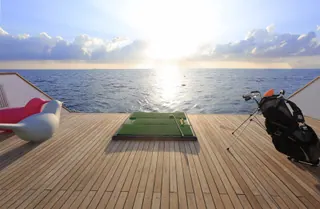
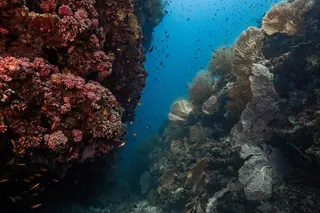
This is the part of a surf holiday that rarely receives enough attention. Not everyone travelling with surfers wants to surf. Partners, children and friends may prefer snorkelling, swimming, diving or time relaxing aboard. Even dedicated surfers eventually want a meal, comfortable accommodation and a place to rest. A well-planned trip leaves time for those experiences rather than treating them as distractions from the waves. In the Maldives, the surrounding lagoons, reefs and islands can make the hours between sessions as memorable as the surfing itself.
06
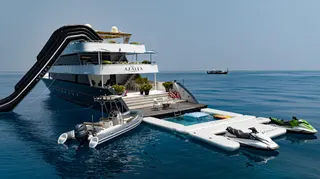
Planning a Private Surf Journey With Azalea
Azalea can be chartered for surf-focused voyages across the Maldives. Its 41-metre yacht provides accommodation, a private chef, spacious shared areas and a professional crew. The yacht can serve as a comfortable base while the day's activities are planned around the group's interests. For a Maldives yacht charter focused on surfing, share the preferred atolls, guest experience levels, travel dates and whether the group also wants diving or other activities. The captain can plan a practical route, while appropriate surf arrangements and safe access to breaks must be confirmed. The appeal of a private surf journey is flexibility, not the promise that every wave will be perfect.