01
Start With the Right Water, Not the Famous Reef
Not every reef is suitable for someone snorkelling for the first time. Currents, waves, entry points and the distance from a safe exit can all affect the experience. Choose a supervised outing with an experienced guide who can assess the conditions and explain what is appropriate for your swimming ability. Tell the guide if you are nervous, unfamiliar with the equipment or uncomfortable away from shallow water. A beautiful photograph of a reef does not tell you whether it is a sensible location for a beginner on a particular day.
02
Get Comfortable Before Looking for Fish
A mask should fit without painful pressure. A snorkel should feel easy to breathe through at the surface, and fins should not slip off or cause discomfort. Practice in a safe, sheltered setting under supervision before attempting a longer swim. Learn how to clear water from your equipment and how to signal when you need assistance. Appropriate flotation and a guide can make the outing more comfortable, but equipment does not remove every risk. Never push someone to continue if they are anxious or tired. The goal of a first snorkel is confidence, not distance.
03
Coral Is Alive: Treat the Reef Gently
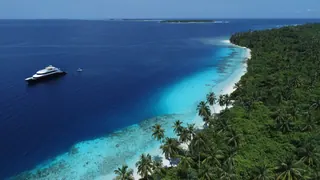
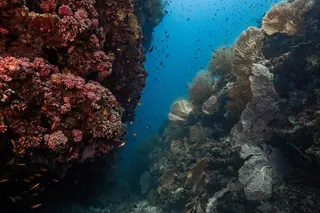
Visit Maldives emphasises that coral reefs are central to the islands' marine environment and coastal protection. They are living habitats, not rocks to stand on for a photograph. Avoid touching or stepping on coral. Keep fins and loose equipment away from fragile formations, maintain control of your position in the water and do not collect shells or marine organisms from protected habitats. The national tourism authority also encourages responsible snorkelling practices that avoid disturbing fish and other animals. You will see more natural behaviour when you allow marine life to continue undisturbed.
04
What Might You See?
A Maldives reef can be filled with small moments: a school of fish changing direction together, an anemone moving with the current or a turtle appearing at a distance. Visit Maldives documents varied coral and fish communities across the country, but no responsible guide should guarantee a specific animal. A beginner's outing may focus on a sheltered coral garden rather than a famous channel known for stronger movement of water. The first experience should invite curiosity, not overwhelm it.
05
Snorkelling With Children or Nervous Guests
Families often have different levels of confidence. One child might be enthusiastic; another may prefer watching from the boat. Adults who have not swum for years may also want a gentle introduction. Do not treat age alone as proof of readiness. Discuss swimming ability, equipment fit, supervision and suitable locations with qualified staff. Someone who decides not to enter the water can still enjoy the Maldives: time on deck, island visits, photography or relaxing near the sea may be the right experience for them.
06
How a Private Yacht Can Help
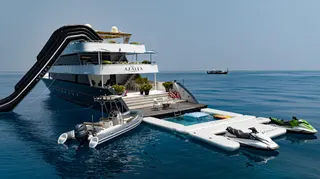
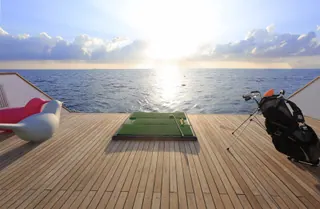
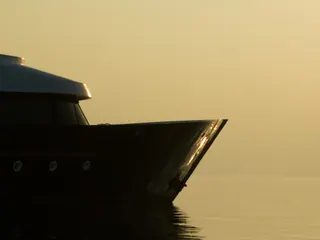
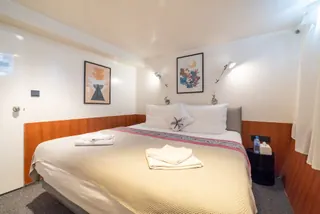
On Azalea, a group may enjoy different activities without having to share the exact same schedule. Guests interested in snorkelling can discuss appropriate sites with the crew, while others relax aboard or choose a separate suitable activity. The yacht also has a dedicated dive dhoni and professional dive facilities, allowing underwater activities to be discussed alongside other plans. A Maldives yacht charter can offer variety, but it does not make every reef safe on every day. The captain and qualified water-activity team must assess conditions, suitability and access requirements before proceeding.
07
Your First Reef Does Not Need to Be the Biggest
A successful first snorkel may last only a short time. If you come away feeling curious, comfortable and eager to learn more, the ocean has already given you something worth remembering.