01
Two Ships, Two Different Positions
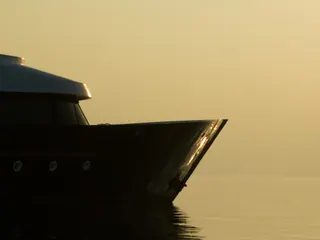
The Shipyard is famous for having two wrecks in the same diving area. According to Visit Maldives, one vessel rests upright with part of its structure visible above the surface. The other lies on its side, reaching approximately 30 metres below the water. That makes the site visually striking even before a dive begins. From the surface, a visitor may notice weathered metal breaking through the water. Beneath it, the wrecks reveal how time and ocean conditions reshape man-made objects. Both structures have become part of an underwater habitat.
02
Where Metal Meets Marine Life
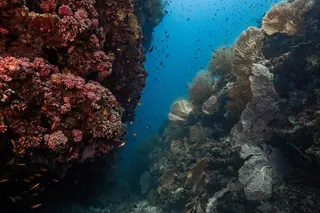
The wrecks support hard and soft corals, along with a variety of reef fish. Visit Maldives documents yellow sweepers, butterflyfish, damselfish, Napoleon wrasse and moray eels around the Shipyard. Larger marine animals, including nurse sharks and grey reef sharks, may also be encountered in the wider channel. None of these animals is guaranteed to appear during a particular dive. What makes the location interesting is the relationship between structure and habitat. Open water, exposed metal and coral growth create different places for fish to move, feed and shelter. For underwater photographers, even one section of a wreck can offer a compelling scene.
03
Is It Suitable for Every Diver?
Not necessarily. The surrounding channel can experience currents, and the depth of the deeper wreck makes planning essential. A diver's certification, recent experience, comfort level and the day's sea conditions should determine which parts of the site are appropriate. The presence of a wreck should never be interpreted as permission to enter enclosed spaces or undertake technical penetration dives. Those activities require specialised training, equipment and procedures. For many recreational divers, observing the exterior of a wreck is rewarding enough. A qualified dive professional should assess the conditions and guide the outing.
04
A Different Experience for Non-Divers
A group does not have to spend the entire day underwater to enjoy Lhaviyani Atoll. Some guests may want a dedicated wreck dive while others prefer suitable snorkelling locations, time aboard or a more relaxed itinerary. This is one reason a private yacht can be useful for groups with mixed interests. The destination becomes a shared journey, even when individual guests choose different activities. It is also worth remembering that seeing the visible part of a wreck from a boat is not equivalent to a supervised underwater visit. Both can be interesting, but they are different experiences.
05
Lhaviyani Beyond the Wrecks
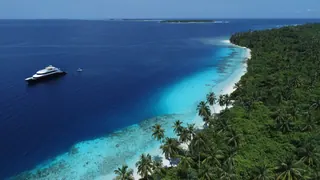
Lhaviyani Atoll has long attracted divers for its reef systems, channels and varied marine habitats. However, an itinerary should not become a race between famous dive-site names. The weather, currents and the needs of the guests can change what makes sense on any particular day. Sometimes a gentler reef dive is preferable to a challenging wreck site. At other times, experienced divers may have suitable conditions for the Shipyard. The most satisfying itinerary is one that treats the destination as something to explore thoughtfully, not a checklist to complete.
06
Visiting the Shipyard With Azalea
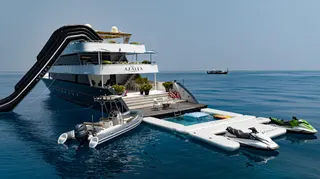
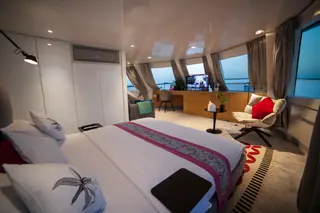
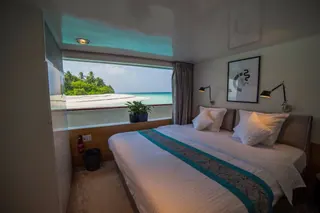
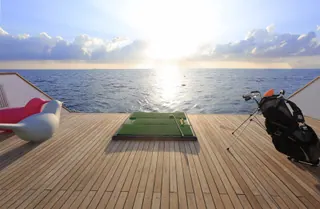
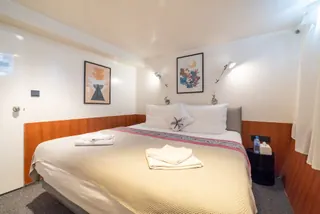
Azalea can be chartered for journeys throughout the Maldives, including Lhaviyani Atoll. Its dedicated dive dhoni and PADI dive centre allow underwater activities to be planned separately from the yacht's accommodation and hospitality. Guests can discuss diving interests, qualifications and equipment needs before the voyage. The dive team and captain can then assess the practical itinerary, including passage times and suitable conditions. A Maldives yacht charter can combine diving with time on deck, private dining, island exploration and other experiences. The yacht's value is not that every famous dive becomes automatically accessible. It is that the journey can be shaped around the people aboard.