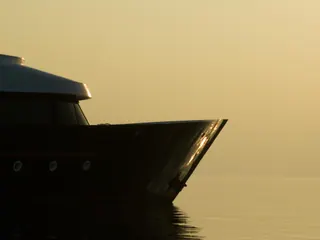
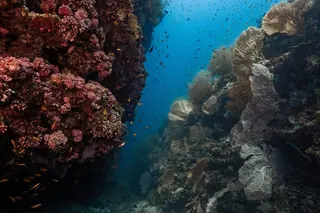
Shallow turquoise water over sand and reef in the Maldives, the kind of setting where sandbanks form.
Azalea JournalRead 6 min readUpdated 22 August 2026

Sandbanks, the Maldives' Disappearing Islands

An island that exists for four hours and then isn't there. It sounds like a marketing line. It's actually just how coral works.

Start reading
Back to Journal
Book Your Voyage

The answer

Sandbanks, the Maldives' Disappearing Islands

Read
6 min read
Updated
22 August 2026
Request proposal

The tender cuts its engine and you wade the last stretch in, and it takes a moment to work out what is odd about the place.

There is nothing on it. No palms, no shade, no rocks, nothing to suggest anyone has stood here before. Just a crescent of white sand, water in every direction, and the quiet sense that the ground is provisional. It is. Come back in six hours and it may be underwater.

The finest journeys begin long before the anchor is raised.

Azalea Journal

Why Azalea

Built for private Maldives charters

Complete Privacy

Your yacht is your private sanctuary, with space to relax and reconnect away from resort schedules.

Unrivalled Access

Reach remote islands, hidden lagoons and marine-rich atolls that resort-based travel simply can't.

Bespoke Experiences

Tailored itineraries, personal service and unforgettable moments built around your group.

Luxury Redefined

Five-star comfort, exquisite cuisine and an exceptional crew, at sea.

01

What a Maldives Sandbank Is Made Of

Dhivehi has a word for it. A finolhu is a sandbank without vegetation, as opposed to a rah, an island established enough to grow things and eventually hold people. It is made of coral. Reef grazers break coral down into fine sediment, currents carry it, and where the water slows across a shallow reef flat it settles and accumulates until it breaks the surface at low tide. The process never finishes. The same currents keep working on it, so a sandbank changes shape as the monsoon reverses, growing through one season and shrinking through the next. The location tends to hold. The outline does not.

02

The Tide Decides Everything

Almost all are tidal, which governs everything about visiting one. The falling tide brings the sand up. The flood takes it back, edges dissolving inward until there is nothing left to stand on. The window might run a few hours, and around the full and new moon the swing becomes considerably more dramatic. You cannot reserve a sandbank the way you reserve a table. You time it the way you would time an eclipse.

03

Why So Few Visitors Reach a Sandbank

There are hundreds across the archipelago and most will never see a visitor. They sit out on reef flats away from inhabited islands, reachable only by boat and only briefly. You need a vessel already nearby, and someone aboard who knows which sandbank is worth anything on this afternoon's tide.

04

What to Do on a Sandbank

Very little, which is the attraction. Walk to the edge and the water drops away within a few metres, reef life immediately in it. The surrounding flat often snorkels beautifully. The better use is a table. Lunch or dinner laid out with nothing in any direction but water, lasting exactly as long as the tide allows. The crew sets up before anyone comes ashore, so the first footprints belong to the people about to eat there.

05

Why Sandbanks Are Fragile

Sandbanks are loose sediment and nothing else. No roots, no rock, nothing holding them together beyond the currents that built them. They last only while a working reef keeps producing sand, which puts them directly downstream of coral bleaching. Several sandbanks and reef flats around the country now sit inside designated protected areas, and where they do, access carries rules worth checking before you go. Otherwise the etiquette is simple. Take nothing, leave nothing, and give nesting birds a wide berth.

06

Why You Need a Boat to Reach One

A yacht can sit nearby ahead of the tide and be there for the hours the sand is above water. A crew who know the area will have a sense of which ones are worth the trip and roughly when to be there. Worth saying that this is not a lottery. The well-known sandbanks come up in the same places tide after tide, which is why crews return to them and why some have names. What shifts is slower than that, a drift measured across seasons rather than afternoons. So the boat is not out hunting for sand. It is arriving somewhere known at the right point in the tide. And if the timing slips or the water is doing something unhelpful, you lift the anchor and go to another. That is the difference between the sandbank being the story guests tell afterwards and the thing that nearly happened.
Beyond the resort

Explore More. Experience More.

From vibrant coral reefs and manta encounters to private beach dinners under the stars — every day is different.

Explore experiences

Explore with Azalea

Ready to experience the Maldives aboard Azalea?

Share your dates, group details and interests directly with our charter team.

Enquire About a Private CharterOr continue below to explore the Maldives guide.

Maldives Experience Atlas

Discover the Maldives your way

Choose what interests you, explore matching places, and save the ones you want to remember.

Choose your interestsSelect one or several
37 matching places

Explore

37 places to discover

Swipe or scroll

Meet Azalea

Your Private Floating Sanctuary

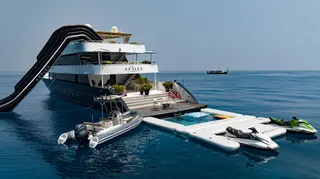
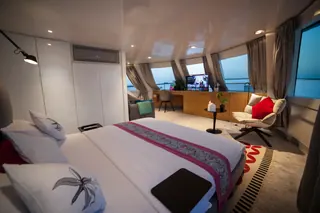
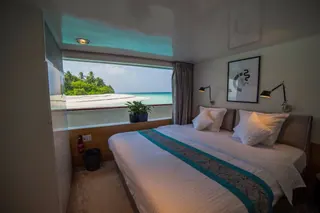
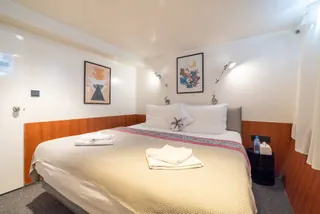
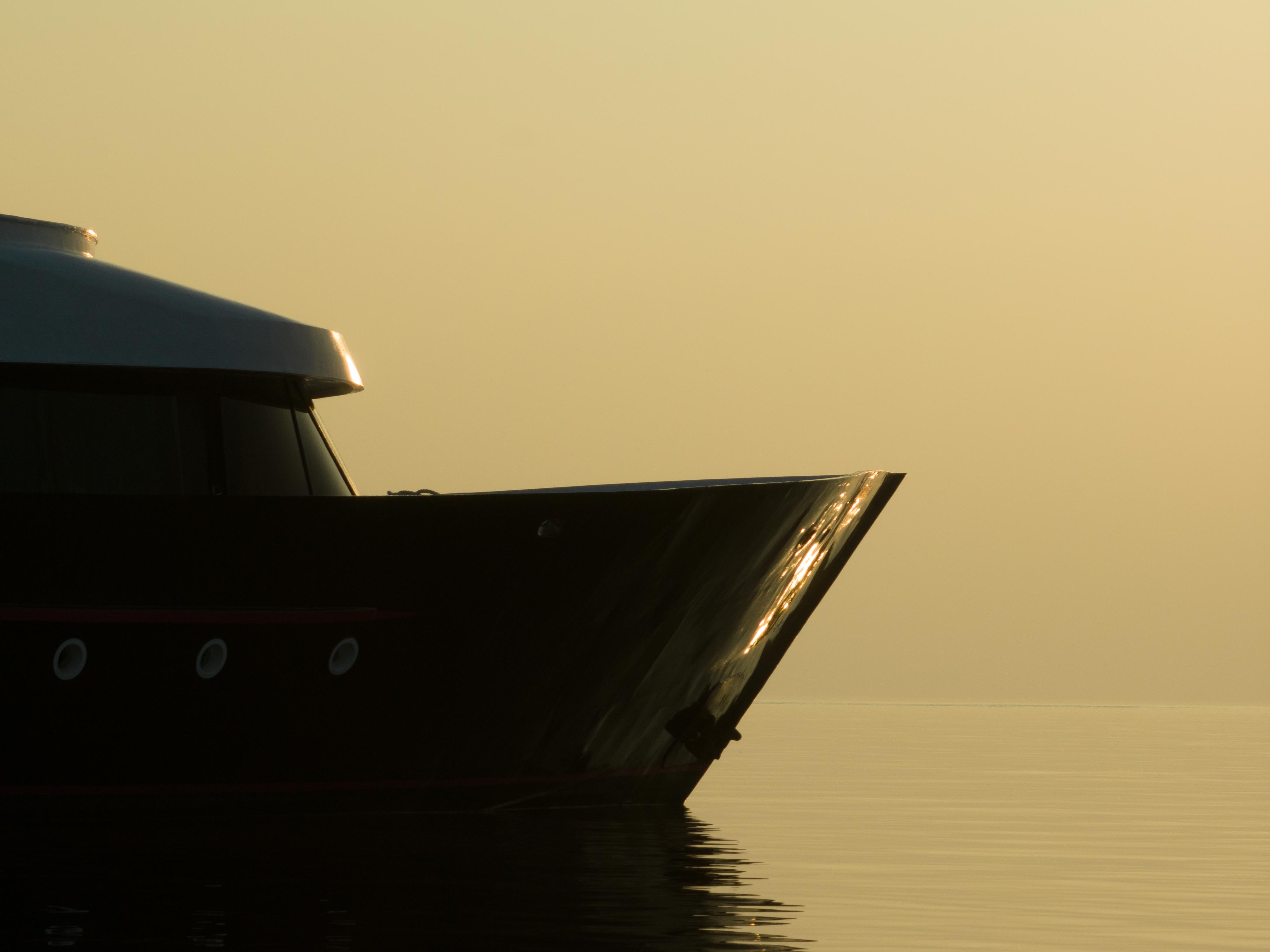
Azalea is a 41-metre luxury yacht designed for intimate voyages, offering space, elegance and comfort in every detail.

41mLength
9Cabins
18Guests
10Crew
Explore Azalea

Best time to go

When to visit the Maldives

Dec – Apr

Dry Season

The Northeast Monsoon brings calmer seas, lower rainfall and the clearest underwater visibility of the year.

May – Nov

Green Season

The Southwest Monsoon brings short showers, lush island greenery, fewer crowds and better value for longer charters.

Mid-Dec – Feb

Peak Season

Festive-period and February travel bring the highest demand for cabins, so these dates are the first to book out each year.

May – Nov

Manta Season

Plankton blooms draw manta rays and whale sharks to Baa and Ari Atoll, making this the strongest window for marine-life encounters.

Behind the lens

Moments from the ocean

Planning tips

Plan Your Perfect Voyage

A little planning goes a long way in ensuring an extraordinary experience. Here are our top tips for your charter.

Read our tips

Pick a route around what matters most to your group — diving, sandbanks, family comfort or a quiet private escape — and let the crew shape the days around it.

From manta encounters to sunset sandbank dinners, tell the team what you're hoping to see and do so it can be built into the route.

Light, breathable layers, reef-safe sunscreen and swimwear cover most days — the crew can advise on anything specific to your route.

Transfers, permits, dining preferences and daily timing are handled onboard, so the only decision left is what to do next.

Common questions

Planning details

Finolhu is the Maldivian term for a sandbank without vegetation, as distinct from a rah, which is an established island capable of supporting plant life.

Coral is ground into fine sediment by reef organisms such as parrotfish, then transported by currents and deposited where water slows over shallow reef flats, gradually accumulating until it breaks the surface.

Daily, yes, in the sense that most are tidal and go under as the tide rises, then reappear in the same place on the next low. Over longer periods they also change shape as monsoon conditions shift, though the well-known ones stay put well enough to be visited repeatedly.

Yes. A private lunch or dinner set up on a sandbank is one of the most distinctive experiences available, timed around the tide window when the sandbank is exposed.

They are located away from inhabited islands on reef flats, reachable only by boat and only during specific tidal windows, which requires a vessel already in the area and crew who know local conditions.

Private proposal

A Sandbank Is Part of the Trip

Mention it when you plan and a sandbank stop goes into the itinerary. Azalea works the timing around the tide, and short of the weather refusing to cooperate, you will get your few hours on a strip of sand with nothing else on it.

Ready to start planning your Maldives charter?