01
Learning to Observe Rather Than Chase
Marine wildlife encounters are often described through the animals travellers hope to see. Some species are regularly encountered in particular locations and seasons, making it possible to plan a voyage around periods when sightings are more likely. However, even in favourable conditions, nature retains an element of unpredictability. A turtle may appear unexpectedly beside a reef, while a familiar school of fish can reveal interesting behaviour when observed patiently. Rather than pursuing a particular encounter, guests can focus on understanding what is happening around them. How do reef fish respond to changing currents? Which animals remain close to coral formations? How does sunlight alter visibility throughout the day? These questions encourage a different relationship with the ocean. The reward becomes the observation itself, alongside the excitement of encountering remarkable marine life.
02
Understanding the Reef as a Living Habitat
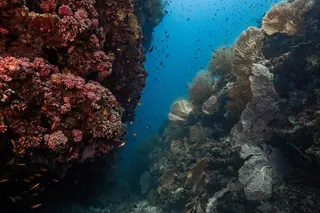
Coral reefs are not simply beautiful backgrounds for underwater photographs. They are complex habitats supporting relationships between corals, fish, invertebrates and countless other organisms. A small reef area may contain sheltering fish, feeding activity and marine life that becomes visible only when someone looks carefully. Understanding these relationships can transform an ordinary snorkeling experience. Guests may begin noticing how different animals occupy particular areas or respond to their surroundings. The objective is not to become a marine scientist during a holiday. It is to appreciate that every reef contains a living community deserving of care and respect.
03
Keeping a Personal Marine Sightings Journal
One simple way to make a marine-focused holiday more meaningful is to maintain a sightings journal. This need not be complicated. Guests can record the date, general location, observed species and any interesting behaviour. Photographs may help identify animals later, while personal notes can preserve details that a camera misses. A journal can become especially rewarding during a longer voyage, when observations from different locations begin to reveal patterns. Families may enjoy keeping a shared record, with younger guests contributing drawings or descriptions. These notes are primarily personal records, although suitable observations may sometimes be useful to established research initiatives.
04
When Holiday Photographs Can Support Research
Marine photography can occasionally contribute to scientific knowledge. Some research organisations use photographs to identify individual animals through distinctive natural markings. For example, the Manta Trust accepts manta ray sighting photographs from the Maldives through its MantaBase platform. The markings on a manta ray's underside can help researchers recognise individuals across separate encounters. Guests who happen to obtain suitable photographs may choose to submit them directly to the relevant organisation. However, photography should never involve chasing, touching or disturbing an animal. Azalea does not operate a formal marine research programme, and participation in external initiatives remains an independent, optional activity.
05
A More Thoughtful Approach to Wildlife Encounters
Responsible wildlife observation begins with allowing animals to behave naturally. Guests should avoid touching marine life, blocking an animal's path or approaching so closely that it changes its behaviour. Maintaining appropriate distance is particularly important around turtles, rays and other larger marine species. Divers and snorkelers should also avoid standing on coral or disturbing the seabed. The crew and dive team can provide guidance appropriate to the location and activity. Protected marine areas may have additional restrictions. Respecting these requirements helps preserve the environment while allowing future visitors to appreciate its natural beauty.
06
Discovering Different Marine Environments
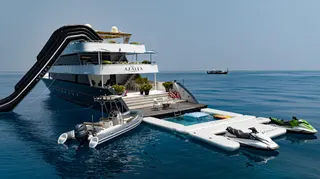
The Maldives contains more than one type of underwater landscape. Shallow lagoons, reef slopes, sandy areas and channels offer different environmental conditions. The species encountered may vary according to habitat, season, currents and other natural influences. Certain marine species, including manta rays and whale sharks, are known to gather or appear more frequently in particular areas during certain seasons. Planning a voyage around these recognised seasonal patterns can significantly improve the likelihood of memorable wildlife encounters. A private yacht journey offers the flexibility to explore suitable locations during favourable periods, subject to navigation and operational considerations. Aboard Azalea, guests can discuss their preferred marine encounters with the team when planning their itinerary. The yacht's PADI dive centre and dedicated dive dhoni support suitable underwater activities. Specific locations remain subject to weather, safety, permissions and operational considerations. While wildlife sightings can never be guaranteed, choosing the appropriate destination and season can offer a high likelihood of encountering particular species.
07
Making Marine Discovery a Family Experience
Marine observation can appeal to different generations. Children may enjoy recognising familiar reef fish, while adults become interested in photography or animal behaviour. Not everyone needs to scuba dive to participate. Suitable snorkeling experiences, surface observations and discussions about photographs can all contribute to a shared interest. Activities should be chosen according to each guest's swimming ability, experience and comfort. The purpose is to encourage curiosity without creating pressure. Sometimes a conversation about an unexpected sighting becomes as memorable as the encounter itself.
08
Returning Home With a Different Perspective
A meaningful ocean holiday does not need to involve scientific expeditions or formal conservation activities. It can begin with simple habits: observing patiently, respecting wildlife, keeping a record of discoveries and learning about the habitats visited. For guests aboard Azalea, these interests can complement the comfort and freedom of a private yacht voyage. The greatest discovery may not be a rare animal. It may be a deeper understanding of how much life exists beneath the surface, and why that world deserves to remain undisturbed.