01
Where Can You Canoe Among Mangroves?
Start in Addu Nature Park on Hithadhoo, in the southern Maldives. The park encompasses the Eydhigali Kilhi wetland and protected Koattey area, with piers, trails and places to watch birds. For paddling, remember one name: Bedhi. The Maldives Protected Areas authority lists canoeing as a bookable activity in this designated area. Visit Maldives describes its red mangroves and the possibility of seeing young rays and sharks. Nothing in nature is guaranteed. Bedhi is a designated activity area, not permission to paddle through every protected waterway.
02
What Makes a Mangrove Paddle Different?
On a reef excursion, much of the life is beneath you. Here, it surrounds you: roots above the waterline, leaves along the shore and, perhaps, a heron standing remarkably still. A canoe encourages a slower pace. Even a short outing can be absorbing. Look towards the roots for small fish, or towards the branches for birds resting out of the sun. Listen as carefully as you look. There is no need to turn a peaceful excursion into a wildlife checklist. Reflections, changing light and silence can be memorable in their own right.
03
Why Mangroves Deserve Protection
Mangroves are more than beautiful trees. Maldives government environmental research describes their role in stabilising shorelines, storing carbon and providing nursery habitat for young fish and other marine life. They also support wetland birds and help protect coastal ecosystems. Different habitats have different water conditions: some are connected to the sea, while others lie within islands. Not all are freshwater. Visitors can do their part by keeping noise down, avoiding damage to roots and leaving wildlife undisturbed. A photograph is never worth entering a restricted area.
04
Beyond the Canoe: A Different Day in Addu
You don't need to spend the whole visit paddling. Addu Nature Park also offers opportunities for walking, cycling and guided nature exploration. Viewing areas around Eydhigali Kilhi provide a chance to appreciate the wetlands from land. Bring binoculars if you enjoy birdwatching. Herons and egrets are among birds recorded in the protected area, although sightings vary. Hithadhoo is also home to a living island community. Modest dress away from designated tourist areas and asking permission before photographing residents are simple ways to be a thoughtful visitor.
05
Mangrove Forests Beyond Addu
The Maldives has other remarkable wetlands. In Noonu Atoll, Kendhikulhudhoo has extensive protected mangrove habitat, while Neykurendhoo in Haa Dhaalu Atoll supports mangrove species, crabs and migratory birds. These are worthwhile subjects for nature-minded travellers, but they should not be advertised as canoeing routes without confirmation. Local access rules and permitted activities differ. For anyone researching "Maldives mangrove canoeing", Addu's Bedhi area provides a documented experience; elsewhere, ask what kind of nature visit is actually possible.
06
How to Plan Your Paddle
Check the official protected-areas booking portal before travelling. It lists canoeing at Bedhi separately from land visits, so confirm which activity you are reserving. Ask about guides, safety equipment, timing and suitability for your group. Allow a generous window rather than trying to fit the park between hurried transfers. Wear sun protection, bring water and follow the guide's instructions, including any life-jacket requirements. Weather and operating conditions can affect activities, and the pleasure of the wetlands is taking time to explore them.
07
Combining Nature With an Azalea Journey
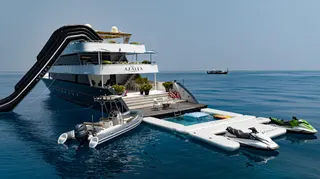
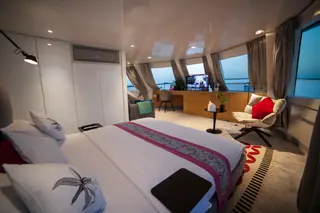
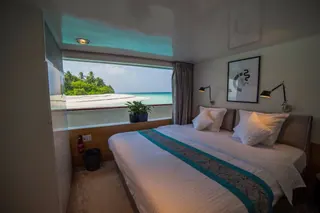
Azalea can be chartered throughout the Maldives, including Addu. Guests planning a "Maldives yacht charter" can discuss a voyage that combines days at sea with a nature experience ashore. The canoe excursion is provided through the park's approved arrangements, not as an unrestricted activity aboard the yacht. The Azalea team can help discuss timing and the overall itinerary, while the park confirms access and activity details.