01
Will You Get Seasick in the Maldives?
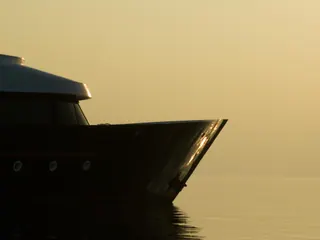
Almost certainly not, and the reason is geography rather than luck. An atoll is a ring of reef with a lagoon inside it, which means a yacht here spends most of its life in sheltered water rather than open ocean. Anchorages are chosen for calm, and longer crossings happen overnight or when conditions are quiet, on purpose. Pack something anyway, even if you have never needed it. A few people find a mild sensitivity on the first day, the inner ear sorts itself out within about a day, and it is a far smaller problem if the remedy is in your bag rather than in a pharmacy in Male.
02
Is It Awkward Having Crew Aboard All Week?
The question people least want to ask and are most relieved to have answered. Good crew are close to invisible. They know when to appear and, more usefully, when not to. Food arrives without ceremony. Cabins get done while you are in the water. By the end of the first day most guests have stopped noticing the machinery entirely. Privacy is real rather than theoretical. Crew have their own quarters and working areas, and a couple wanting the deck to themselves for an evening is an ordinary request. You say it, it happens.
03
Does a Yacht Start to Feel Small After a Week?
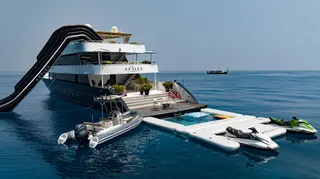
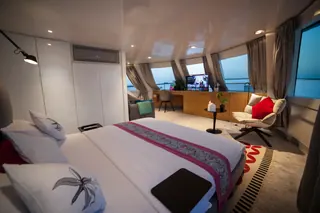
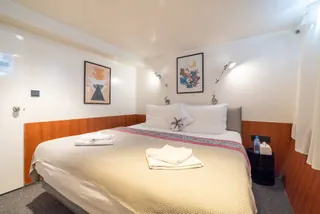
Less than you would expect, and the reason is not square metres. A hotel room on day six is the same room it was on day one. A yacht wakes up somewhere else, which resets the sense of space in a way floor plans cannot. Add the water sitting three steps off the deck and most guests end up outdoors for far more of the day than they would manage on land. Worth adding that the stated maximum is not a squeeze. Azalea's capacity is set at a number the vessel carries comfortably rather than the number she could technically fit, so a full charter still leaves everyone room to spread out across the decks and find a corner to themselves.
04
What About Tipping the Crew?
Worth raising early, because there is no official standard and the habits people import from elsewhere do not always fit. Tipping in the Maldives is customary, and across the service industry it has become fairly well expected rather than a pleasant surprise. What it is not is fixed. Cash or card both work, and it usually goes to the captain at the end to be shared among the crew. Do not work from a number you read somewhere. Ask during planning, and Azalea will tell you what fits the charter you have booked.
05
Do You Need Sailing Experience to Charter a Yacht?
None. The captain and crew handle navigation, anchoring, safety and everything operational. Guests are not expected to help and, politely, should not.
06
What Happens If the Weather Turns?
Less than you might think, because the route is planned with the weather already in mind. The itinerary does not get torn up and redrawn. Conditions are checked ahead of each leg and the plan is followed accordingly, with the timing of a crossing or the order of a day adjusted where sense dictates. Rain here tends to arrive hard and leave quickly rather than settling in for a day. What matters more than any forecast is a captain who has read these particular waters for years. That is a different skill from checking an app.
07
The Crew Handles the Paperwork
Some of the country's best marine sites sit inside protected areas with permits, fees and capped numbers attached. None of that becomes your problem. The crew arranges it, and the only thing worth doing is mentioning early if a particular site is the reason for the trip, so it can be secured in good time. Beyond that, the administration happens quietly in the background and you never hear about it.
08
What First-Time Charter Guests Say Afterwards
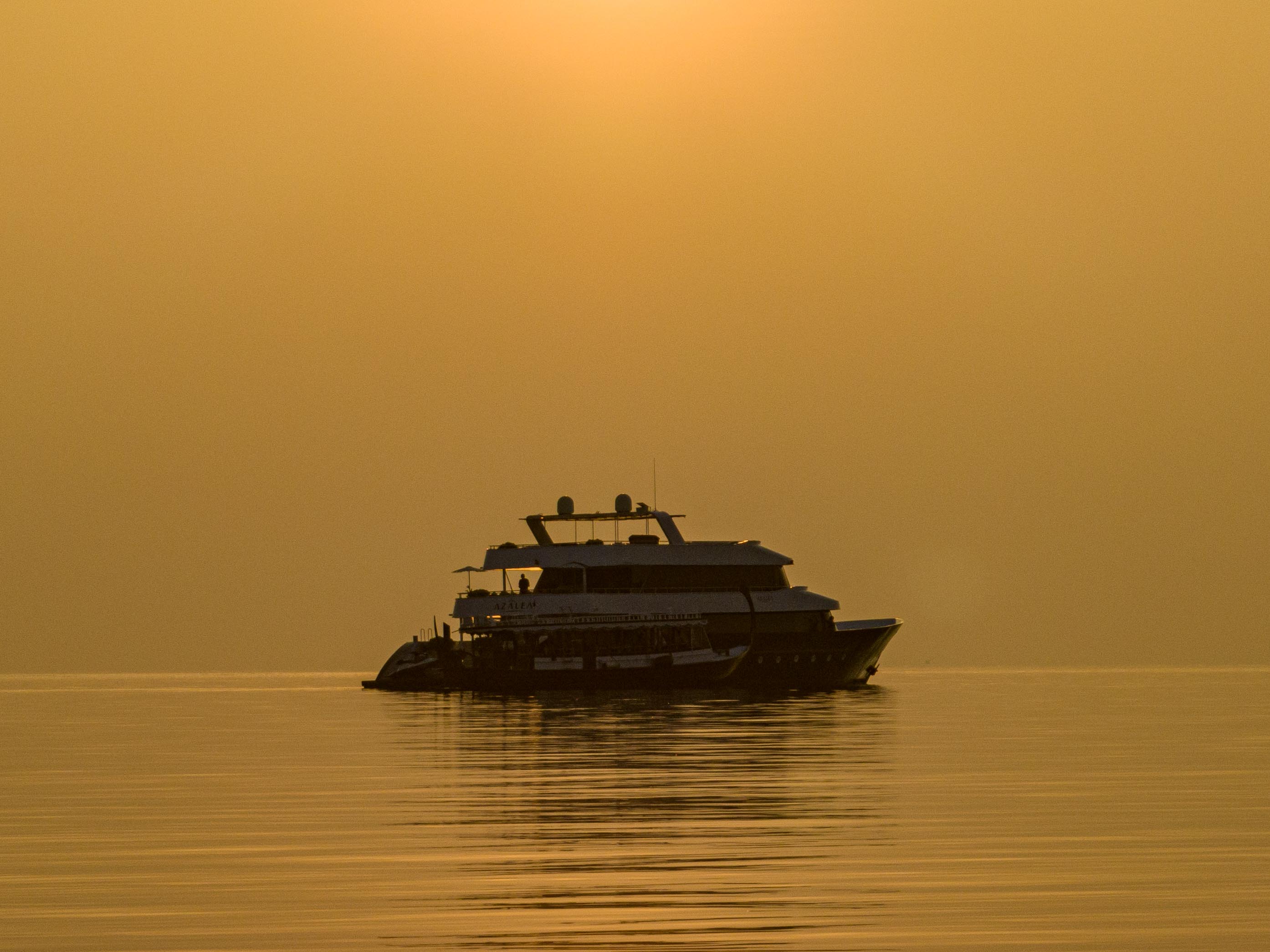
Ask someone about their first charter and they rarely lead with the boat, the food or the diving. They talk about how fast the mental load vanished. Nothing to book, nobody to organise, no decision about tomorrow waiting to be made. Most describe properly switching off around the second morning, faster than any holiday they have taken on land. That is what brings them back. Not the yacht. The quiet.
-480.webp)