01
Look Beyond the Reef
When visitors talk about Maldives wildlife, they often mean manta rays, turtles or whale sharks. Those animals are remarkable, but they are not the whole story. The government's protected-area records describe wetland birds at Kendhikulhudhoo in Noonu Atoll and Addu's Eydhigali Kilhi. These habitats are important because they offer places to rest, feed and shelter, including for visiting birds. A successful nature outing is not measured by how many species appear. The best observations sometimes come from sitting quietly in one place rather than moving constantly between locations. It may begin with learning to distinguish a bird searching for food from another simply resting in the shade.
02
Kendhikulhudhoo: A Green Island Full of Life
The official Kendhikulhudhoo wetland record identifies several birds, including cattle egrets, common sandpipers, black-crowned night herons, yellow bitterns, grey herons and greater sand plovers. The record also mentions black-naped terns and white-tailed tropicbirds visiting the island. Each species uses the landscape differently. Some favour shallow wet edges, while others are more often seen near the coast or overhead. The setting matters as much as the name of the bird. Kendhikulhudhoo is an inhabited island with a sensitive protected environment. Visits should be respectful of residents and coordinated around any relevant protected-area access conditions.
03
Addu Nature Park: The Wetlands From Another Perspective
Farther south, the government's Eydhigali Kilhi and Koattey protected-area listing describes one of the Maldives' notable wetland habitats, with herons, egrets and Maldivian pond herons among the birds that may be observed. Addu Nature Park provides a setting for appreciating this landscape on land, while its Bedhi area has a separate, officially listed canoeing activity. The best choice for a birdwatching visit may be a slow walk or time at an approved viewing point rather than an adventurous excursion. Activities, booking requirements and opening arrangements should be checked with the park directly.
04
When Should You Go Birdwatching?
Different birds may be more noticeable at different times of year, and local weather affects visibility and comfort. Rather than inventing a universal "bird season," ask the site manager or a knowledgeable local guide about the species currently being observed. A calm morning may give photographers softer light and visitors more comfortable conditions, but a particular sighting is never guaranteed. The responsible approach is to let the habitat set the pace. Bring binoculars if you have them. A camera with a longer lens is preferable to walking too close to a nesting or resting bird.
05
What Not to Do Around Wild Birds
Do not feed wildlife to create a photograph or approach nesting sites. Avoid loud music and sudden movement near birds resting in the wetland. If a bird repeatedly moves away, you may already be too close. These guidelines are simple, but they change the experience. Watching a bird behave naturally is more interesting than watching it flee a visitor. Some wetlands also provide important functions in absorbing rainwater and supporting other wildlife. Staying on permitted paths protects more than the species you came to photograph.
06
Make Birdwatching Part of a Wider Maldives Trip
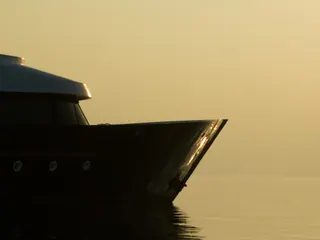
A nature-focused holiday can combine island culture, birdwatching and marine experiences. The Maldives is spread across many atolls, so travel planning matters: a Noonu wetland and an Addu wetland are not neighbouring stops. Azalea can be chartered for routes throughout the Maldives. Guests interested in incorporating nature visits into a private Maldives yacht charter can discuss suitable island destinations and practical transport arrangements with the team. The yacht is a base for the voyage, not an entrance ticket to protected areas. Local access rules must be followed, and birdwatching is best planned with sufficient time ashore.
07
Learn to Notice the Smaller Stories
You do not have to identify every bird to enjoy this side of the Maldives. Sometimes the pleasure is simply being quiet long enough for another world to reveal itself.